

Discussion Groups
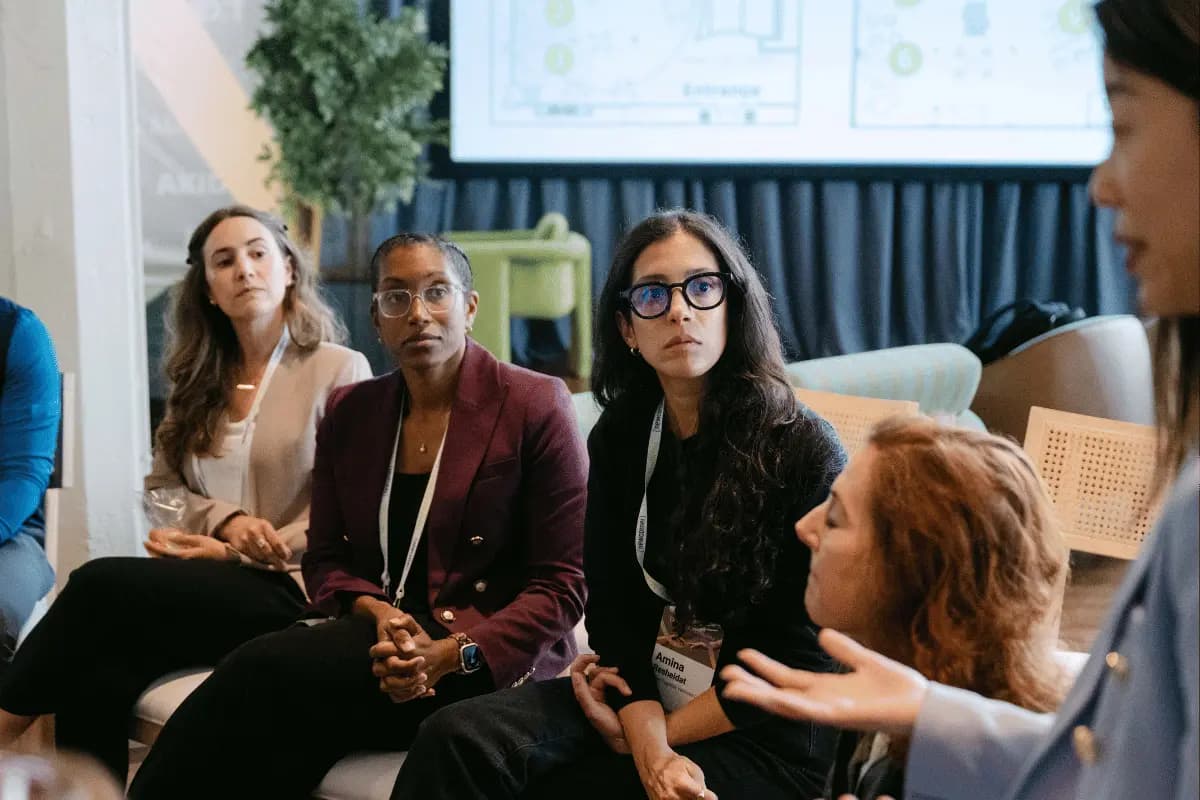
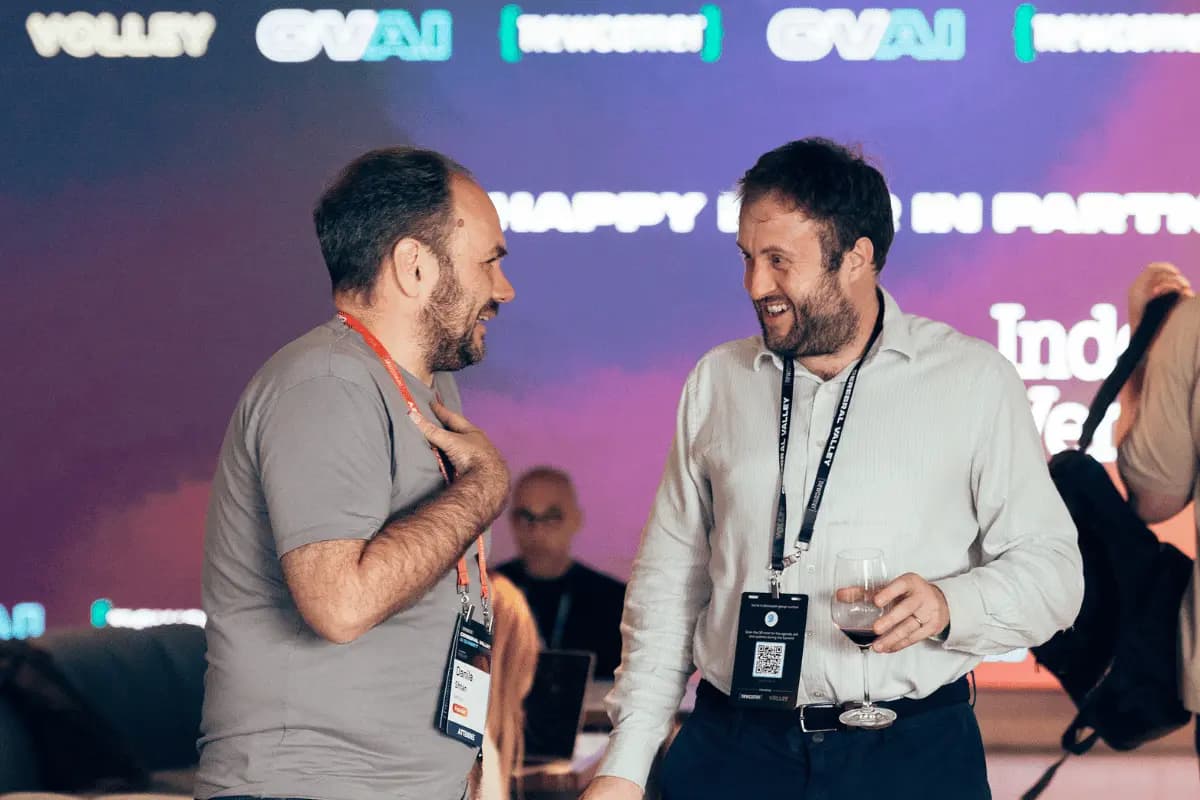
Our discussion groups are intimate, curated conversations led by some of the biggest names in AI. Attendees are assigned to a group based on the topics they're interested in for a collaborative conversation with other AI leaders.
Each group dives deep into a specific topic, giving attendees the chance to engage directly with the discussion leader and fellow participants in a small-group setting.
Discussion Group Topics
Attendees will be assigned to one of the following groups based on their interest and expertise.

Alex Levin
Founder & CEO
Regal
What does a "Conversational AI-Native" Company Look Like?
Post the launch of the appstore, app-native companies reimagined entire industries by building around mobile instead of retrofitting old distribution channels. The same inflection point is happening now with conversational AI, but almost nobody is designing for it yet. This session will explore what conversational-AI-native companies could look like in practice, including their organizational structures, GTM strategies, and which legacy processes, GTM and technology might become unnecessary.

Connor Zwick
Founder & CEO
Speak
Voice AI Fails Differently: What Are We Getting Wrong?
Voice AI doesn't fail in the same way across industries. At Speak, building a product where you actually have to speak, be understood with any accent, and come back tomorrow has meant solving problems most voice AI hasn't had to face yet. The failure modes in language learning look completely different from healthcare, customer service, or sales, and so do the fixes. This discussion will explore the failures and how we fix them because the lessons are more transferable than we think.

Lily Clifford
Founder & CEO
Rime
What Breaks First at 10x Volume?
Everyone's shipping voice agents. Far fewer are running them at scale. This session goes past the demo and into the production war stories: the failure modes that only show up at real volume, the architectural decisions that don't surface until you're past a million minutes, and the uncomfortable tradeoffs between latency, cost, reliability, and quality that every team eventually has to make. Hosted by Lily Clifford, CEO and Co-Founder of Rime, this is a candid conversation for founders, operators, and investors who want to understand what actually happens when voice AI meets enterprise volume. Less "what's possible," more "what broke, what we learned, and what we'd do differently."

Nikhil Murthy
Founder
Phonic
Cascaded vs End-to-End: The Speech-to-Speech Architecture Debate That Keeps Getting Punted
Many believe end-to-end S2S is the future, but nearly every production voice agent is still a cascade (ASR → LLM → TTS). How do tradeoffs of naturalness and latency compare to reliability, control and intelligence? Are there other models or hybrid approaches that can balance these? This session will dig into when each architecture actually wins, what the industry gets wrong about the transition, and what it would take for the field to actually commit one way or the other.

Morgan Blumberg
Partner
M13
Where Is the Real Value in the Voice Stack Now vs. Next 5 Years?
As infra players move up the stack, can application companies still win and how? What makes a voice interaction feel bad even if the model is good? Where do demos succeed but products fail (key last mile issues)? In 5 years, will the best voice companies look more like model companies or product companies? Fragmented like SaaS or consolidate like Search?

Jeremy Kaufmann
Partner
Scale Venture Partners
Saying No to Your Customers
Many voice AI companies are in the fortunate position of achieving liftoff demand in their early days. But companies need to make sure they dont overpromise and underdeliver. In this section, we’ll talk about the ideal land use case and how to strategically guide customers to the highest roi and most repeatable starter use cases.

Priya Vijayarajendran
CEO
ASAPP
Stay on the Line: The Value Adds and Tradeoffs of Phone Conversations with Your Customers
If voice is actually your richest source of customer intelligence, why have so many enterprises spent the last ten years trying to get customers off the phone? Before generative AI, calls were expensive and the CX stack was build for deflection, not resolution. But that premise has been turned on its head. We'll discuss the right times to treat voice as the modality for the customer service experience and how to leverage calls as the highest-signal, most information-dense interaction a customer will ever have with your company.

Kwindla Kramer
Founder & CEO
Daily / Pipecat
The Future of Realtime AI: Lessons from the World's First Massively Multi-Player, LLM-Native Game
Production AI voice applications are becoming more complex. New architectures include sub-agents, multiple different LLMs running all the time, techniques for managing very long context, and dynamically generated user interfaces. One of Daily's experimental side projects, Gradient Bang, recently "broke containment." Gradient Bang is a full-featured game built entirely around talking to and tasking LLMs in a multi-player universe. We built it as a tech demo, but thousands of people are now playing the game and we're learning from how users are engaging in this new voice-driven experience at scale. Join us for lessons about building applications from the ground up around voice and multi-agent orchestration.

Marc Boroditsky
Chief Revenue Officer
Nebius
How to Grow Your Revenue‑Generating Voice AI Business
No one is arguing that voice AI is pure hype anymore; if anything, we're still in the earliest innings, and the open question is how these companies actually make money. Marc Boroditsky, Chief Revenue Officer at Nebius and former CRO at Twilio, will lead a candid discussion on what it really takes to scale a voice‑native AI business that drives sustainable revenue on top of modern AI cloud infrastructure. Drawing from his experience commercializing complex technology products, including his time at Twilio where many of today's voice AI offerings were built, Marc will share frameworks for identifying real customer value in voice use cases (from contact centers to copilots), building repeatable sales motion in a noisy market, and navigating the tension between rapid model innovation and the infrastructure choices that determine unit economics.

Bola Malek
Head of Labs
Baseten
A Million Voices: Scaling and Monetizing Voice Models in Production
Voice has become a primary interface for interacting with AI, and the model landscape is rapidly evolving. High-quality text-to-speech and speech-to-text models are abundant, but many challenges exist in monetizing voice models and applications at scale. How will voice applications deliver a consistent, high-quality, secure, and economical experience in a rapidly shifting landscape?
Examples From Past Summits
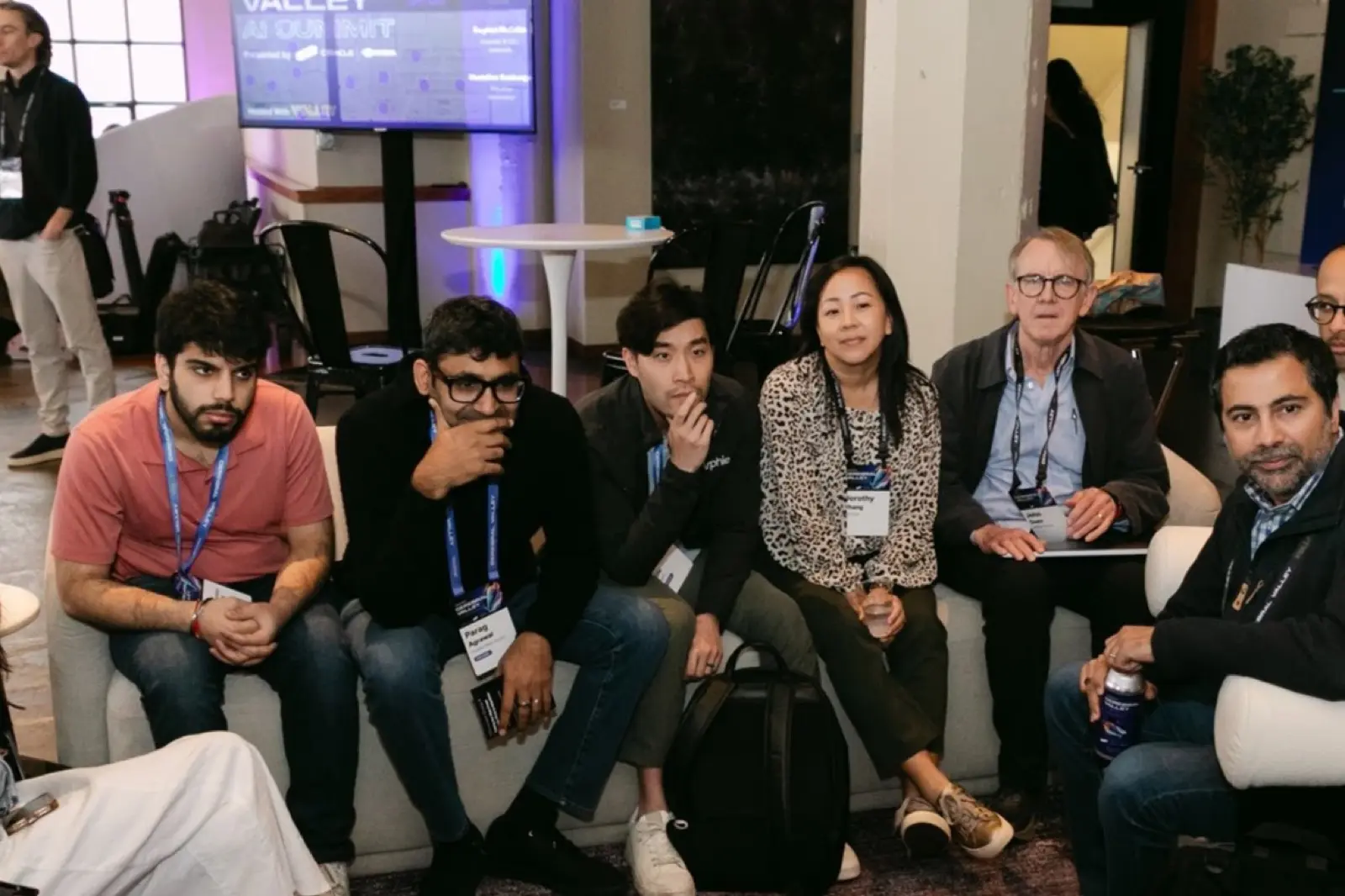
Parag Agrawal
Founder & CEO, Parallel Web Systems
Taking the Web From Human-First to Machine-First
The fabric of the internet is changing as we progress towards agents becoming the primary users of the web. It might not be too far from now that more traffic is agentic than user-driven. How will those agents interact with products, sites, and services?

Julie Bornstein & Kirsten Green
Founder & CEO, Daydream + Founder & Managing Partner, Forerunner Ventures
LLMs Open the Door — Expertise Builds the House
As the first wave of consumer AI applications emerged, many assumed that building a “wrapper” on top of large language models would be simple. The reality is far more complex — and far more interesting. True differentiation comes from being excellent at the edge, where deep domain expertise and nuance meet AI advancements to honor a vertical’s cultural, regulatory, and highly subjective intricacies. This discussion will explore what it takes to translate LLM potential into real consumer value at the application layer.
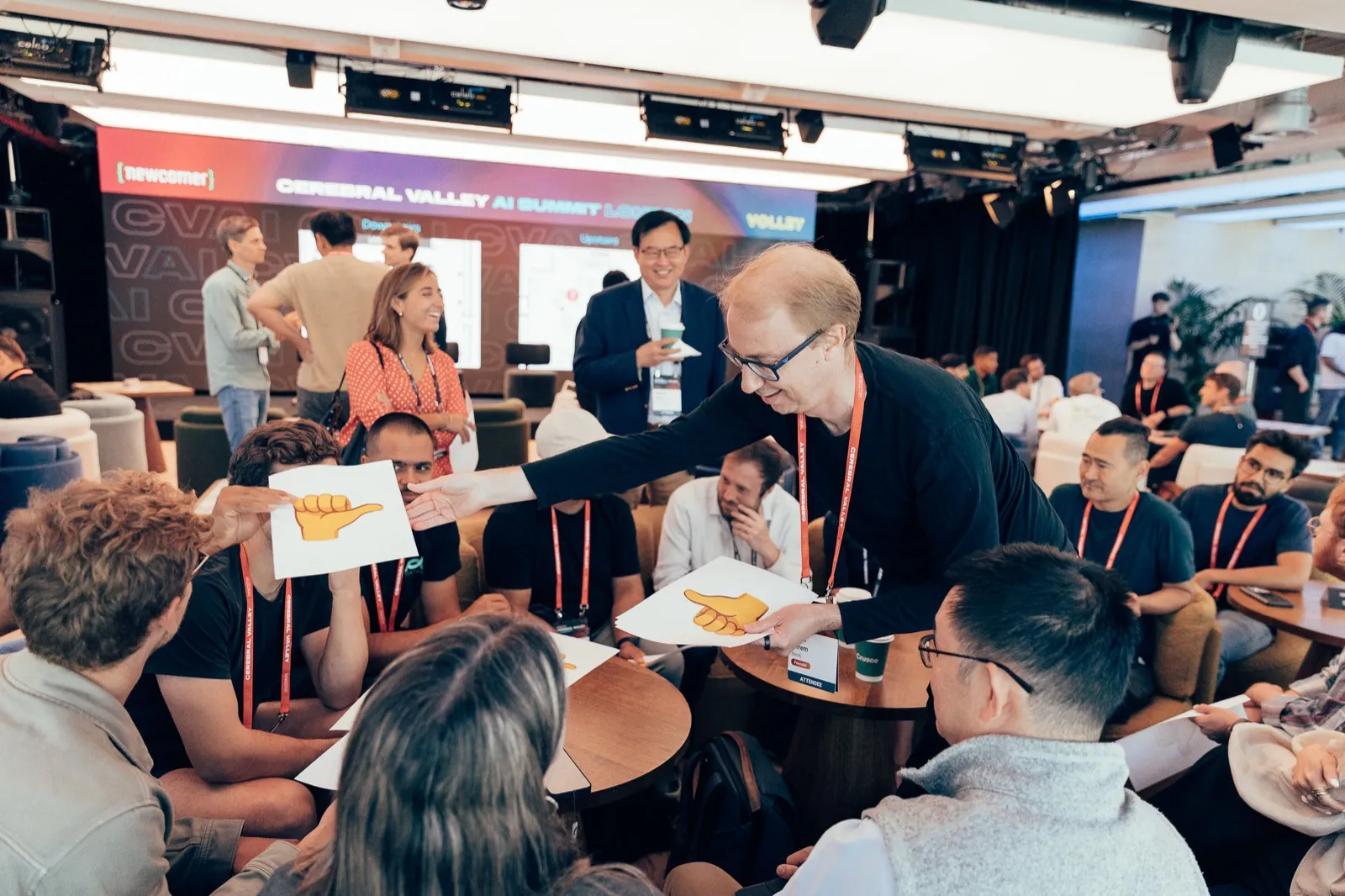
Emil Eifrem
Founder & CEO, Neo4j
The Persistent Memory Layer: Do Agents Need a Brain, Beyond Just a Model?
The next generation of agents won’t just complete tasks - they’ll remember, adapt, and improve over time. Persistent memory is key to making it happen, and it’s fast becoming a new battleground for product defensibility and differentiation. But what does durable memory look like in practice? How do we architect memory that scales with users, respects privacy, and compounds value? The session explores the question of agentic memory: when it’s needed, what founders needed to build lasting agent intelligence, and what VCs should look for when investing in it.